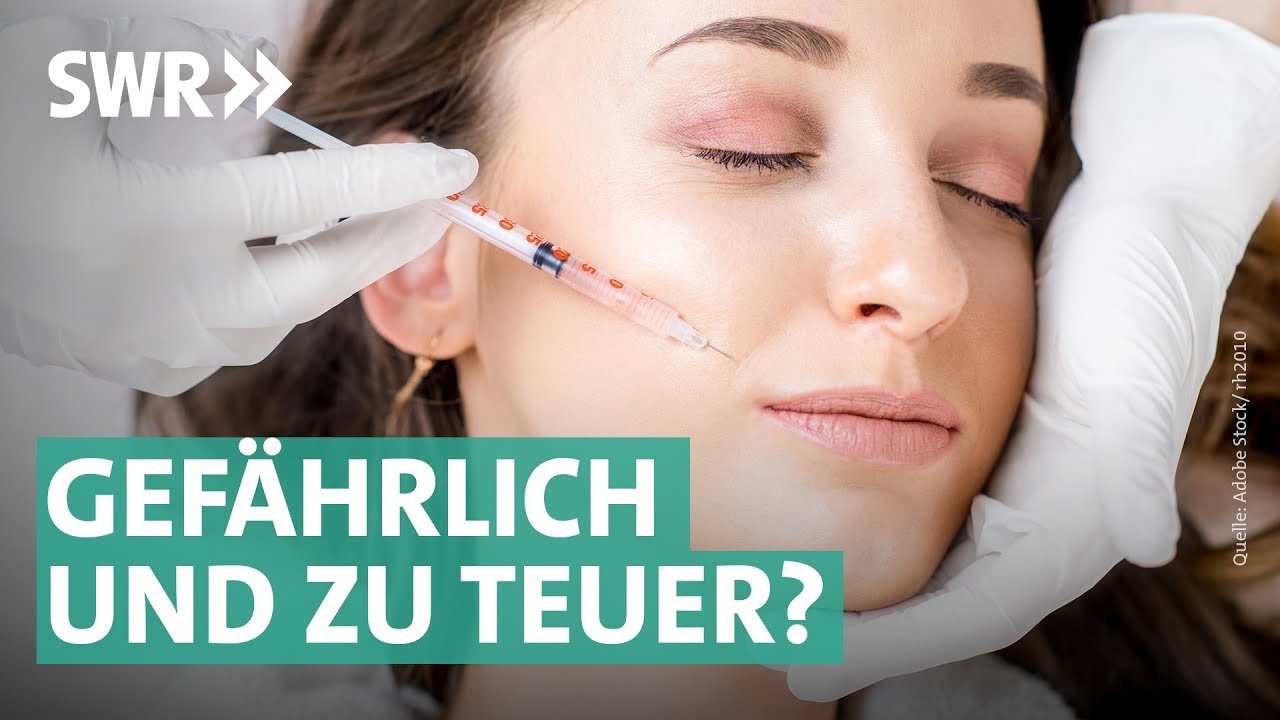
I still remember a patient named Mia, 28, a graphic designer who squinted at a screen all day. She had faint lines starting between her brows and a habit of lifting her forehead when she concentrated. “I’m not trying to freeze my face,” she told me, “I just don’t want to look tired at 30.” What she wanted was not transformation but preservation. That is the heart of preventative Botox: teaching overactive muscles to relax so the skin doesn’t fold into deeper, etched lines.
Botox is a brand name for onabotulinumtoxinA, a therapeutic protein that temporarily reduces muscle contraction. In aesthetic medicine, botox injections soften expression lines and can prevent them from becoming permanent creases. The strategy is different from chasing lines after they form. Instead, we map the muscles that drive repetitive motion, deliver a measured dose, and revisit at steady intervals. Done well, it preserves a natural look with less product over time. Done poorly, it looks stiff, heavy, or simply unnecessary.
This guide answers the practical questions I hear most often in consultation: what is botox, how it works biologically, when to start, how many botox units you might need, how often to get botox, what to expect with botox results timeline, botox side effects and risks, botox maintenance, and how to think about cost without getting trapped by price alone. I’ll also cover specific areas, from botox for forehead lines to masseter botox, plus the difference between botox and fillers so you choose the right tool.
What preventative Botox actually prevents
Expression lines form where skin is repeatedly folded by muscles: the frontalis lifts the forehead, corrugators draw the brows together, orbicularis oculi squints around the eyes. In your 20s, these lines are dynamic, meaning they vanish when the face rests. By your 30s or 40s, collagen loss and habitual movement imprint static lines that stick around even when you are expressionless. Preventative botox interrupts that progression. It reduces the intensity and frequency of movement before lines etch deeply.
Mechanically, botox binds to nerve endings at the neuromuscular junction and inhibits acetylcholine release. The effect is localized, temporary, and dose dependent. Muscles still function for daily expression, but the strongest crease-forming contractions are muted. If you’re wondering how botox works in plain terms, think of it as dimming a bright light rather than flipping it off. The dim setting keeps the bulb from burning out as fast.
The second way preventative treatment helps is behavioral. Clients become aware of unconscious habits, like eyebrow lifting during conversation or frowning while reading. Once those patterns ease and the skin isn’t folded so aggressively, collagen breakdown slows. It’s not a substitute for sunscreen or retinoids, but it complements them by addressing a root cause: mechanical stress on the dermis.
When to consider starting
There isn’t a magic age. I assess by three factors: your resting lines, your animation pattern, and your skin’s resilience. I see some patients in their early 20s with deep set brows and strong frown lines from frequent concentration. Others in their mid 30s still have soft, dynamic lines and don’t need treatment yet. Phototype matters too. Fair, thin skin imprints faster than thicker or more sebaceous skin. Genetics, sleep, stress, and sun history leave their fingerprints.
A practical yardstick: when a line persists on resting face for a few seconds after expression, you are a good candidate for light dosing. Another signal is the “makeup test.” If concealer or foundation collects in forehead or crow’s feet lines by midday, those folds are becoming etched. Preventative botox, sometimes called baby botox or micro botox, uses fewer units per area to gently retrain muscles before those creases deepen.
Areas that benefit most from prevention
Forehead and glabella are the headliners. The frontalis creates horizontal forehead lines, and the corrugator and procerus muscles between the brows create the “11s.” Crow’s feet at the outer eye from smiling and squinting respond well and are key for botox for eye wrinkles. Bunny lines along the nose, chin dimpling from an overactive mentalis, and early neck bands in the platysma can also be softened. A conservative botox brow lift can open the eye slightly by relaxing muscle pull on the tail of the brow.
Occasionally, prevention targets function rather than appearance. People prone to tension headaches feel better with botox for frown lines and temporalis involvement. Masseter botox can reduce jaw clenching and relieve TMJ-related discomfort, while also slimming a bulky jawline if that’s desired. Sweaty underarms respond well to botox for sweating, also called botox hyperhidrosis, though that is a separate dose and budget conversation.
How many units do I need?
Face shape, muscle strength, sex, and aesthetic goals drive dosing. A botox dosage guide is just that, a guide. I’ve treated a petite woman whose corrugators need 12 to 16 units total, and a stronger-browed man whose frown complex needs 24 to 30 units for the same effect. For the forehead, I might use 6 to 10 units in a younger patient with light lines, or 10 to 18 units if movement is strong. Crow’s feet can range from 6 to 12 units per side. Baby botox typically means using about half the traditional dose across more numerous micro-injection points to maintain natural movement.
" width="560" height="315" style="border: none;" allowfullscreen="" >
The better question is not how many botox units do I need, but where do I need them and what outcome do I want. A tailored injection map and botox patterns matter more than a fixed number. It is common to adjust by 2 units at a follow-up if one brow sits higher, an asymmetry that good injectors anticipate and correct. If you prefer micro adjustments, plan a botox touch up at the two week mark, when full effect is clear.
What the appointment is like
Preparation is simple. Avoid blood thinners if medically permissible 3 to 5 days prior: fish oil, high dose vitamin E, ginkgo, and nonsteroidal anti-inflammatories raise bruising risk. Skip alcohol the night before. Arrive with clean skin, no heavy moisturizers or makeup over the treatment zone. During the botox consultation, we review medical history, botox risks, and your movement patterns. I mark sites with a surgical pen, then use a tiny needle, typically 30 to 32 gauge. Most people describe the sensation as quick pinches or small stings, and the entire botox treatment often takes under 15 minutes.
What to expect with botox afterward: tiny blebs at injection sites flatten within minutes. You may see pinpoint redness or a small bruise that fades over a few days. The botox results timeline is predictable. Effects begin at 2 to 4 days, peak at 10 to 14 days, and then gradually soften over 3 to 4 months. The first treatment feels like a bigger change because your baseline was unmodulated. With maintenance, results look more seamless and require fewer tweaks.
Downtime, aftercare, and what to avoid
Downtime is minimal. You can return to desk work immediately. For the first four to six hours, skip strenuous workouts, hot yoga, saunas, or anything that increases facial blood flow. Avoid lying flat for about four hours and hold off on facials or massage for 24 hours in the treated areas. Gentle cleansing is fine. If you see small bumps or swelling, cool compresses help. Light makeup is safe after a few hours if the skin looks intact.
Bruising is the most common nuisance. It is worse if you’re on a blood thinner or bruise easily. Arnica, bromelain, and cold packs may help some people, though evidence is mixed. Headaches can occur the first day or two, especially after glabellar treatment, and respond to acetaminophen. Short lived eyelid heaviness can occur if forehead dosing is too high relative to brow strength or if you naturally rely on forehead lift to keep the lids open. That is why careful exam and conservative dosing matter for first time botox.
Safety, side effects, and the difference between real risk and bad technique
Botox safety is well established when treatments are performed by a trained injector using FDA approved products. Localized side effects like bruising, swelling, or mild asymmetry are usually manageable. The feared complications, like eyelid ptosis from botox migration into the levator, are rare and temporary, lasting weeks instead of months, and can be treated with eyedrops while the toxin wears off. Unnatural, over-relaxed faces are not a botox side effect so much as a sign of poor planning or an aesthetic mismatch. Customized botox, with attention to injection depth and spread, avoids that.
If you’re exploring botox near me alternatives, understand that not all products are the same. Dysport and Xeomin are comparable neuromodulators with slightly different onset and spread characteristics. The difference between botox and dysport is mostly in dosing units and diffusion. Dysport can feel like a quicker onset in some areas and a softer edge in large muscles like the glabella, while botox gives many injectors precise control with a tighter spread. Fillers, by contrast, add volume and do nothing for muscle-driven lines. If a static line remains after muscles are relaxed, a very fine hyaluronic acid filler or laser resurfacing may complement botox for fine lines.
Cost and value
Botox cost varies by region, injector experience, and clinic overhead. You’ll see per unit pricing, often in the range of 10 to 20 dollars per unit, or area pricing, which bundles typical doses. Botox prices feel high when compared purely by syringe count, but think in terms of effect per month. A light preventative plan might use 20 to 35 units total across the glabella, forehead, and crow’s feet, with maintenance every 3 to 4 months at first. As your muscles learn new patterns, some people stretch to 4 to 6 months, and dosing can drop slightly. Cheaper is not a bargain if the product is diluted or if you end up overtreated or asymmetric. Look for a botox nurse injector or botox doctor with a track record of natural looking botox and transparent follow-up policies.
How often to get treatments and how long Botox lasts
Most clients return every 3 to 4 months for the first year. Consistent intervals keep lines from re-etching, which is the point of botox for prevention. With time, I often extend to 4 to 6 months, especially in the forehead where over-relaxation can weigh on the brows. The question how long does botox last has a range: 10 to 12 weeks is common, 16 weeks happens in lighter movers, and high metabolism or intense exercise can shorten the window. Hormones, illness, and stress also nudge the duration.
A maintenance mindset works: small, steady doses beat big, sporadic ones. If you feel movement returning earlier than expected, book a botox touch up rather than skipping a cycle. Your goal is consistent low-intensity motion, not yo-yoing from frozen to fully active.
Matching technique to the area
Forehead lines. The frontalis is the only elevator of https://batchgeo.com/map/botox-mi-southgate the brows. Overdosing flattens expression and can drop the brow, so I prefer a soft grid of shallow injections with fewer units per site. If your glabella is strong, I dose that first so the forehead doesn’t have to overwork to keep your eyes open. For heavy lids, a conservative approach avoids trading lines for heaviness.
Glabella (between the brows). This area tolerates firmer dosing because the muscles pull the brows down and inward. Treating botox between eyebrows often relieves tension headaches for people who habitually frown while concentrating. Placement depth matters, as the corrugator has both deep and superficial portions. Proper technique reduces risk of drift.
Crow’s feet. The orbicularis oculi is a circular muscle, so I place units at the outer third of the eye to relax squinting while protecting cheek elevation. If you smile widely and your lower lids pleat, small, careful touches can help, but overtreatment can flatten your smile. Balance creates a rested, not “done,” look.
Lower face and neck. Botox for chin dimpling smooths the pebbled skin created by an overactive mentalis. A light touch here avoids affecting lip function. For the masseter, dosing ranges widely. Masseter botox can soften a square jawline and relieve clenching or TMJ pain. Expect chewing fatigue in the first week, then adaptation. For botox for neck lines or platysmal bands, dosing maps lines or vertical bands, taking care to avoid swallowing muscles.
Niche uses. Botox for gummy smile reduces upper lip elevation when you grin, using 2 to 4 units per side. A botox lip flip relaxes the orbicularis oris near the vermillion border so the upper lip shows more at rest, but it doesn’t add volume like filler. Botox for oily skin, acne, or pore reduction is an off-label microbotox technique in the dermis or superficial muscle layer, which can reduce sebum and the look of large pores in select cases. Precision is essential to avoid smile weakness.
Natural results and the art of restraint
People fear looking frozen or “done.” That happens when the plan ignores how you animate. I ask patients to speak, laugh, and glare during mapping because I want to see habitual movement. I would rather underdose and invite you back for a 2 to 4 unit tweak than overshoot. Gentle asymmetries are normal in human faces. We correct them by dosing patterns that reflect those differences: a slightly stronger left corrugator, a compensating forehead lift on one side, an eyebrow asymmetry that benefits from a micro-brow lift on the heavier side.
The first time botox client benefits from a lighter hand, then refinement at two weeks. By the second or third session, we settle into a customized botox treatment plan that feels like you, just calmer.
What not to expect: myths and limits
Botox does not lift cheeks or tighten loose skin. It cannot replace volume. If you have sagging from fat pad descent or significant skin laxity, devices or fillers do the heavy lifting. For marionette lines or deep nasolabial folds, botox smile lines is a misnomer. Those creases are structural and best handled with filler, collagen stimulation, or surgical options. Botox for droopy eyelids is not corrective; in fact, heavy forehead dosing can worsen lid droop in people who rely on their frontalis to open their eyes. The fix for botox overdone is time and, in rare cases, an enzyme is not available because botox isn’t a filler, so we wait for nerve endings to recover.
Botox for acne scars is limited. It may soften the pull on a few tethered scars, but lasers and subcision do more. For nose lines or “bunny lines,” tiny doses help, yet overtreating can reveal odd midface expressions. Everything in this category benefits from a conservative, test-and-adjust approach.
Safety checklist for choosing a provider
- Verify training and experience with cosmetic botox, not just medical botox. Ask how many treatments they perform weekly and to see botox before and after photos that match your age, sex, and skin type. Confirm the product brand, dilution practices, and whether the clinic uses new vials. Be wary of vague labels or unusually low pricing that suggests watering down. Discuss a follow-up plan at 2 weeks for assessment and minor adjustments. This is where natural looking botox is dialed in. Review botox side effects and aftercare clearly, including what to avoid after botox and signs of issues like eyelid droop or unusual swelling. Ensure a clean, medical environment and proper consent. If you have neuromuscular disorders, pregnancy, breastfeeding, or active skin infections, disclose them. Your injector should advise against treatment when appropriate.
Men, women, and the metabolism question
Botox for men often requires higher dosing in the glabella and forehead due to thicker muscles and stronger brow depressors. But men also benefit greatly from prevention because etched frown lines can age a face more than hair loss does. Women often prefer softer movement in the forehead for makeup laydown and a subtle botox brow lift that opens the eyes. Both benefit from acknowledging metabolism and lifestyle. Endurance athletes sometimes metabolize botox faster. High stress and grinding can shorten the interval for masseter relief. You can make botox last with a few habits: consistent sun protection, daily retinoids to support collagen, and staying on schedule so creases never fully reestablish.
What if something feels off after treatment?
Most transient issues, like light headaches or small bumps, settle without intervention. If you notice eyebrow heaviness, don’t panic. It can be from forehead over-relaxation and may be balanced with careful dosing in opposing muscles at a follow-up. Mild asymmetry often responds to a unit or two adjustment. True botox gone wrong, like significant eyelid ptosis, is uncommon and temporary. Call your injector promptly. They may recommend eyedrops that stimulate the levator muscle and strategies to ride out the weeks until recovery.
Building a sensible plan
A strong preventative plan starts with a simple map: glabella, forehead, and crow’s feet. Use baby botox dosing initially, then grow or shrink based on your goals. If migraines are a problem, carefully placed botox for migraines can be explored with your doctor, often in higher doses and broader patterns than cosmetic treatment. If sweating interferes with daily life or confidence, underarm botox can give six months or more of dryness. Plan budget and schedule ahead so you are not chasing sales but following a maintenance rhythm that supports results.
Pair botox and skincare. Even the best neuromodulator cannot shield skin from UV or infrared. Daily SPF, a retinoid at night, vitamin C in the morning, and professional treatments like light peels or microneedling will make your botox look better and last longer. Hydration and sleep sound basic, yet nothing reveals fatigue like tired eyes and a lifted forehead trying to compensate.
The bottom line on timing and why it works
Preventative botox works because it reduces the mechanical stress that carves wrinkles into skin over decades. Start when lines first linger at rest, not before you have any movement at all, and not after creases are deep and fixed. The sweet spot for Southgate botox many is late 20s to mid 30s, adjusted for genetics, sun history, and expression strength. The dosing is light, the technique is refined, and the goal is preservation, not transformation.
For Mia, we began with 10 units between the brows, 6 units across the upper forehead, and 8 units per side for crow’s feet. Two weeks later, we added 2 units to the left corrugator to soften a tiny quirk. She returned every four months that first year, then every five. Two years on, her makeup sits smoothly, her eyes look more awake, and she still smiles with her eyes. That is preventative care done right: subtle, sustainable, and shaped around how you actually live and move.